Beautiful sunny still morning today. I had a walk around parts of the Blue and Red course. An Egyptian Goose stopped off at the reservoir, a new addition to the Frilford list.
Egyptian Goose [Reservoir]
As its name suggests, the Egyptian Goose is an introduced species, first recorded in England in 1678, but is now fairly common, particularly in urban parks.
Trickier to spot, but easier to hear, there are still plenty of warblers singing and feeding. This Blackcap is usually singing near the bridge near the 1st Blue, although is tricky to spot.
Blackcap [1st Blue]
Also easier to hear that see are the various Whitethroats nesting around the estate. This one was skulking in the gorse to the left of the 5th Red.
Whitethroat [5th Red]
Willow Warblers seem to be the opposite. I have scarcely heard one this year, but always seem to find a lot feeding. This one is fairly regular in the gorse between the 4th and 5th Red.
Willow Warbler [4th Red]
Various insects around. I think that this is a Hairy Dragonfly near the 13th tee Blue, well camouflaged amidst the undergrowth. The Emperor dragonfly was rather more conspicuous with early-morning due on its large wings. The Common Blue Damselfly was near the 3rd on the Red, but they are fairly common on the Blue and Red course
Hairy Dragonfly Brachytron pratense [13th Blue]
Emperor Dragonfly Anax imperator [1st Blue]
Common Blue Damselfly Enallagma cyathigerum [3rd Red]
This Large Skipper looks more like a moth, but is actually a butterfly. This is a male - sitting on a leaf waiting for a female on the 4th Red.
Large Skipper Ochlodes sylvanus [4th Red]
The Southern Marsh Orchids are in full bloom just short of the pond on the 9th Red. There are also some Common Spotted here as well and Early Marsh Orchids as well if you have time to search.
I walked round the Frilford estate in the sunshine this weekend. If you go over the green on the 1st Blue you may come across this fungus which is called 'Chicken of the Woods'. The name refers to its taste and texture which apparently resemble chicken - although it doesn't look too appetising to me.
Chicken of the Woods Polyporus sulphureus [1st Blue]
I came across this Willow Warbler on the 4th Blue. I haven't heard many this spring, but I have seen a couple over the weekend. There are also a lot of Blackcaps and Whitethroats singing around the course at the moment.
I hear foxes at Frilford from time to time in the woods on the Blue and Green courses, but I haven't seen one since starting to log the wildlife around the course. There was one early this morning in the field behind the 1st Blue.
Red Fox [1st Blue]
It was hunting for rodents in the cut grass and seemed to be finding quite a few from the video - by the size it looks like they are rats that it is feasting on.
Muntjac and Roe Deer were also in the field while this was happening.
Roe Deer [1st Blue]
I didn't hear many Willow Warblers singing this year, but there seem to be plenty of young birds about in late summer. This one was feeding near the footpath to the 5th Red.
Lots of small birds feeding on berries and seeds around the courses at the moment. The wood around the 13th/16th of the Blue course is particularly productive, with Willow Warblers, Goldcrests, Goldfinches, Blue Tits, Coal Tits, Great Tits, Blackcaps, Treecreepers, Nuthatches, Great-spotted Woodpeckers, Spotted Flycatchers, Robins and Wrens all very easy to see.
Willow Warbler [16th Blue]
Goldcrest [16th Blue]
It is particularly encouraging to see lots of Spotted Flycatchers around the course at the moment. A pair was hunting for flies in the wood and is the third location on the estate that I have seem a family of Flycatchers. It is possible that it is the same birds following me around, but more likely that there are two or three groups of birds.
Spotted Flycatchers [16th Blue]
On the reservoir there are a couple of resident families of Tufted Ducks, Coot and Little Grebes with Cormorants and Canada Geese calling in from time to time.
Little Grebe [Reservoir]
There are also lots of birds feeding by the 3rd on the Blue. This is a juvenile Goldfinch feeding on a Marsh Thistle. It has the yellow wing bar, but not yet the red face.
Lots of warblers flitting through the leaves of the small trees and shrubs of the Blue course this morning.
Blackcap [4th Blue]
Chiffchaff [3rd Blue]
Willow Warbler [4th Blue]
This Red Admiral was warming up on the left of the 5th Blue.
Red Admiral Vanessa atalanta [5th Blue]
Whilst this Ringlet was drying out from the early morning due on the 3rd Blue. With their underwing visible, you can see where the name comes from.
Ringlet Aphantopus hyperantus [3rd Blue]
A good crop of Wild Raspberries are starting to ripen on the left of the 14th Blue - tasted very sweet.
Raspberry Rubus idaeus [14th Blue]
In the wood on the Blue I found some Marsh Cudweed, which is actually a lot more common nationally than the Common Cudweed that grows in much of the rough around the estate and which, despite its name, is on the Oxfordshire Rare Plants Register.
I had a productive stroll around parts of the Green and Red courses today. The highlight was finding a Bee Orchid just off the path 10 yards in front of the 16th tee Red. I know that they have been recorded on the course in the past, but this is the first one that I have found. The lip of the flower mimics a female bee so that when a male attempts to mate with it, pollen is transferred, with the bee left frustrated. However, the correct species of bee doesn't occur in the UK, so most are self-pollinating.
Bee Orchid Ophrys apifera [16th Red]
Five yards away is another uncommon orchid, Marsh Helleborine, which grows in reasonable numbers in Two-pine Fen.
Marsh Helleborine Epipactis palustris [4th Green]
And two yards away looks like another candidate for Narrow-leaved Marsh Orchid. There are actually six species of orchid in this very small area - I do wonder whether it should have a bit more protection.
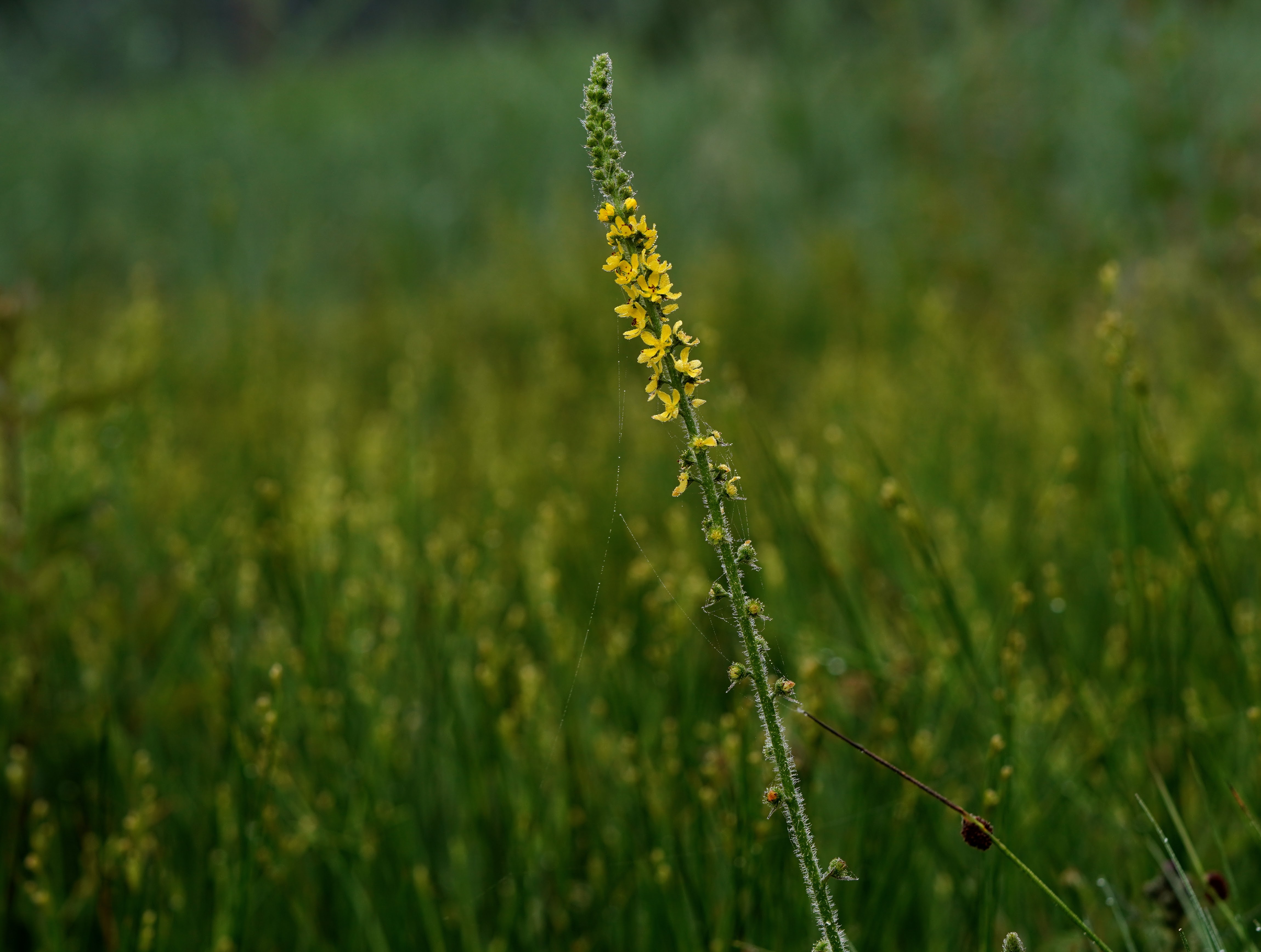
Also in Two-pine Fen, the tall yellow spikes of Agrimony are prominent at the moment.
Agrimony Pucciniastrum agrimoniae [16th Red]
On the Green course, the Maiden Pink has plenty of flowers now.
Maiden Pink Dianthus deltoides [10th Red]
Other new plants from today include:
Common Centaury Centaurium erythraea [5th Red]
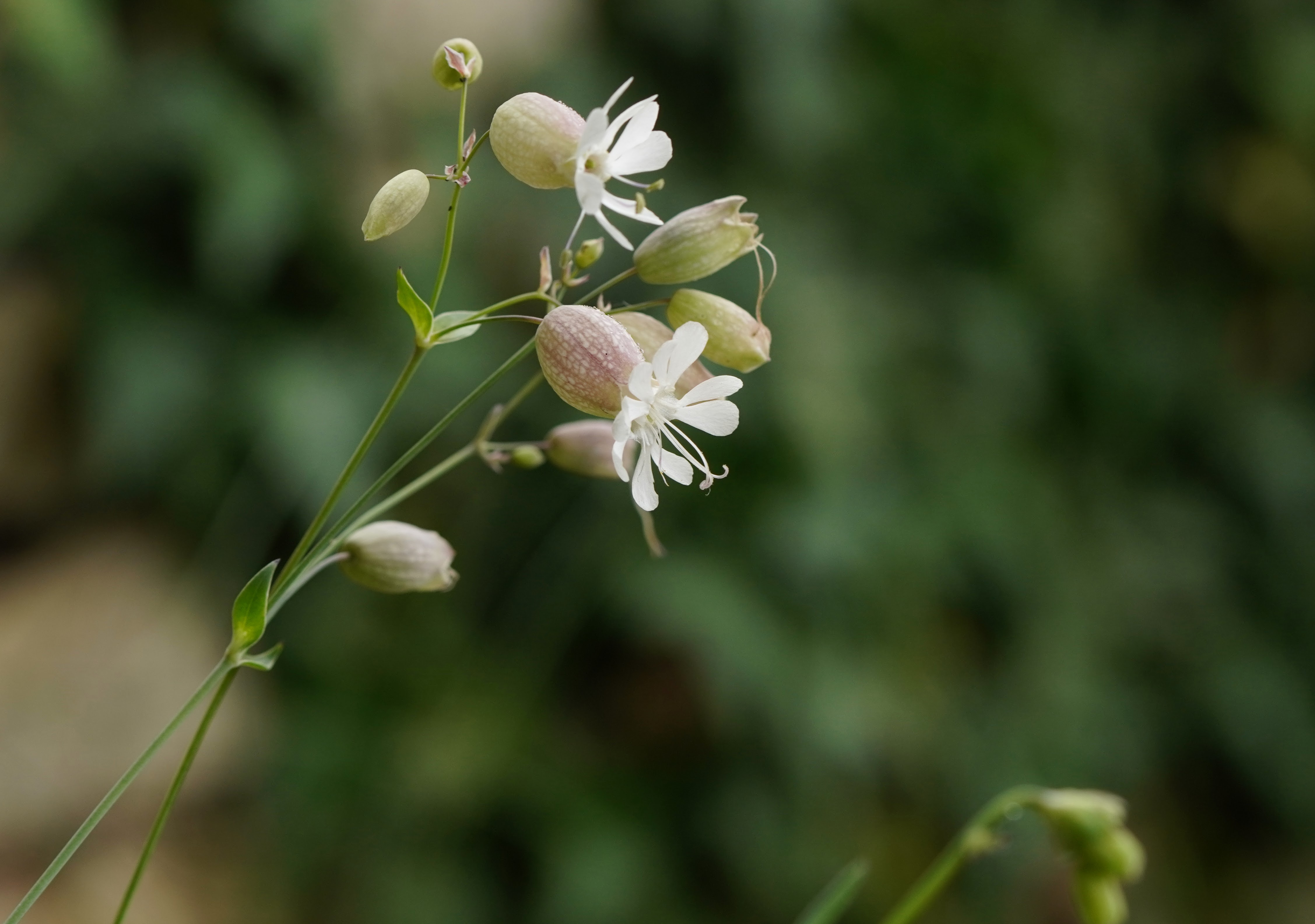
Bladder Campion Silene vulgaris [7th Green]
Restharrow Ononis repens [14th Red]
Wild Thyme Thymus polytrichus [15th Red]
Common Toadflax Linaria vulgaris [4th Red]
Harebell Campanula rotundifolia [4th Red]
There were a lot of young birds on the 13th Red this morning, in particular Blue Tits and Great Tits - attracting the attentions of this male Sparrowhawk.
Sparrowhawk [13th Red]
At the top of one of the trees by the 13th tee there was a Spotted Flycatcher. I have seen these on the 14th Green in previous years, so it is good to see one on the course this year. Twenty years ago they were generally fairly common in Britain, but I only see one occasionally nowadays. I managed to get a very distant shot - hopefully I will get some better views as the summer progresses.
Spotted Flycatcher [13th Red]
More obliging, behind the 4th tee on the Red a Willow Warbler was finding rich pickings among the ferns.
Willow Warbler [Tubney Range]
There were also good numbers of butterflies on the edge of the range, including two new ones for the year.