Wednesday, July 7, 2021

7 July 2021

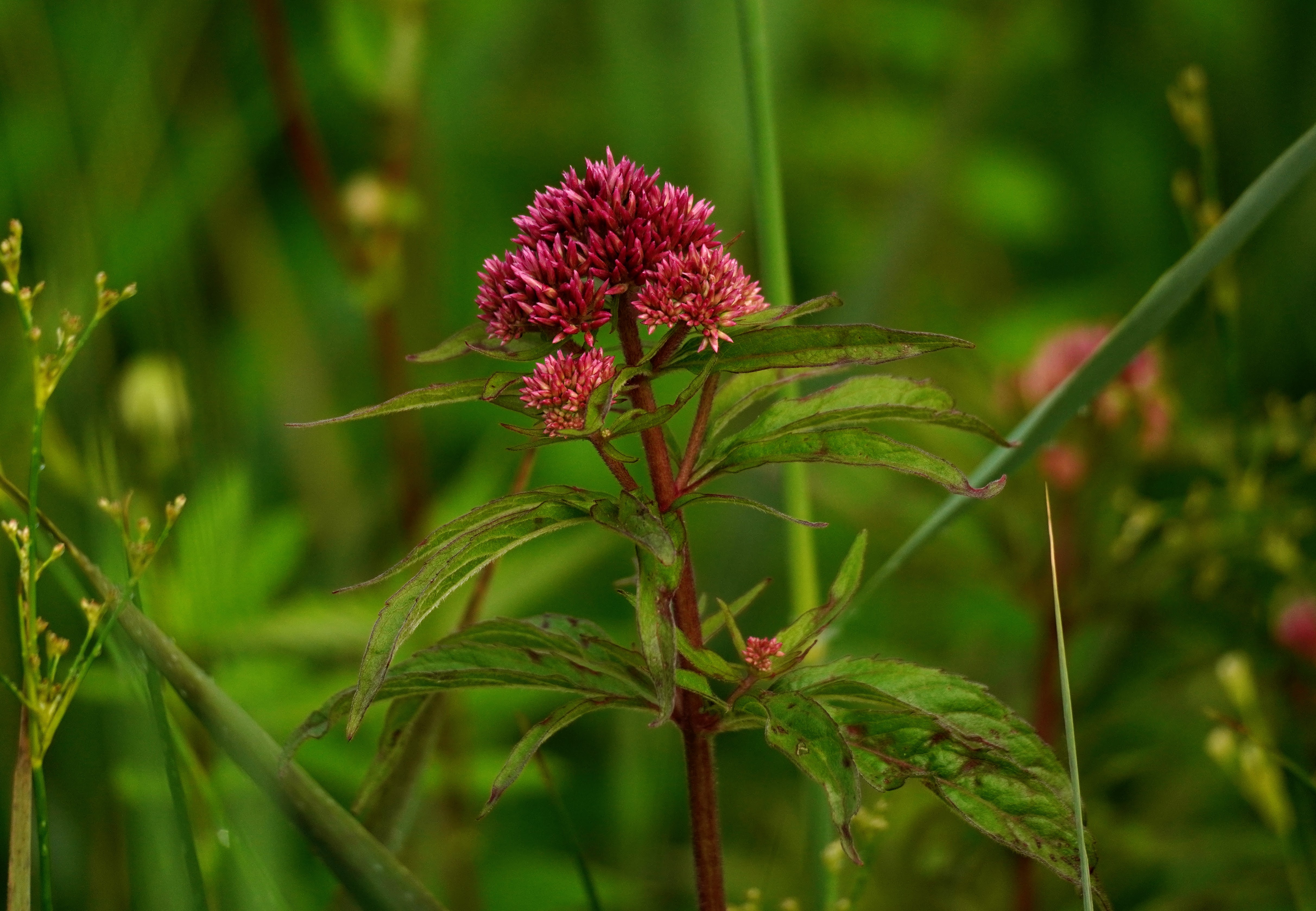
The number of new plants appearing is slowing down, but there are one or two new ones. Hemp Agrimony is common near water and despite its name is not hallucinogenic, it is just that its leaves are similar to the cannabis plant.  

Hemp Agrimony Eupatorium cannabinum [16th Red]

Potentially more fruitful in this regard are the many Opium Poppies growing around the estate, centred (coincidently I'm sure) on the greenkeepers' shed on the Blue course.

Opium Poppy Papaver somniferum [6th Blue]

Mugwort is conspicuous and common around the rough at the moment and has distinctive silvery leaves and flowers.
Mugwort Artemisia vulgaris [1st Red]

It's the time of year when there are lots of puffballs on the course.  They have a cruel habit of growing on the fairway around the distance of a good drive and imitating a golf ball - leading to disappointment when the golfer arrives.  The golf ball is the one on the right of this photo.

Meadow Puffball Lycoperdon pratense [18th Green]

The Kingfishers are quite easy to see on the first three holes of the Blue course at the moment, particularly in the evening.

Kingfisher [2nd Blue]


Monday, July 5, 2021

5 July 2021


A Hobby is a small falcon that can be seen around the course in summer from time to time.  It feeds on small birds and insects, particularly dragonflies.   This one was flying over the 6th on the Blue.

Hobby [6th Blue]

Plenty more young birds around.  Robins are speckled brown in their first few months before acquiring a red breast and more familiar colouring.
Robin [6th Blue]

Juvenile Great-spotted Woodpeckers are similar to adults but have a red cap.  

Great-spotted Woodpecker [Tubney range]

Juvenile treecreepers are pretty much identical to adults.  This one was being fed by an adult.

Treecreeper [6th Blue]

A couple of new flowers in the rough by the 4th Red:

Perforate St John's-wort Hypericum perforatum [4th Red]

Field Scabious Knautia arvensis [4th Red]

Lots of Pyramidal Orchids out now over the course.  This one was on the 18th Blue.

Pyramidal Orchid Anacamptis pyramidalis [18th Blue]


Friday, July 2, 2021

1 July 2021

I managed to find the ninth and probably the final species of Frilford orchid this morning, the Fragrant Orchid.  These have tall thin spikes of small pink flowers and are in Two-pine Fen nearest the 16th fairway, 

Chalk Fragrant Orchid Gymnadenia conopsea [16th Red]

On the 14th Red I came across Wild Onion just on the left of the fairway.  This is as close as it comes to having flowers.

Wild Onion Allium vineale [14th Red]
Other new flowers include:

Perennial Sow-thistle Sonchus arvensis [16th Red]

Musk Mallow Malva moschata [7th Blue]

Imperforate St John's-wort Hypericum maculatum [4th Green]

A few birds around the ponds on the Blue.  The resident Grey Heron was moving between the 1st and 3rd this morning and a Kingfisher was doing likewise this evening.

Grey Heron [1st Blue]

Kingfisher [3rd Blue]

I recorded this Whitethroat repeating the distinctive short phrases of its song besides the pond on the 3rd.  There are still quite a number singing around the three courses.


Wednesday, June 30, 2021

30 June 2021

I had a productive stroll around parts of the Green and Red courses today.  The highlight was finding a Bee Orchid just off the path 10 yards in front of the 16th tee Red.  I know that they have been recorded on the course in the past, but this is the first one that I have found.  The lip of the flower mimics a female bee so that when a male attempts to mate with it, pollen is transferred, with the bee left frustrated.  However, the correct species of bee doesn't occur in the UK, so most are self-pollinating.

Bee Orchid Ophrys apifera [16th Red]

Five yards away is another uncommon orchid, Marsh Helleborine, which grows in reasonable numbers in Two-pine Fen.

Marsh Helleborine Epipactis palustris [4th Green]

And two yards away looks like another candidate for Narrow-leaved Marsh Orchid.  There are actually six species of orchid in this very small area - I do wonder whether it should have a bit more protection.

Narrow-leaved Marsh Orchid Dactylorhiza traunsteineri [16th Red] 

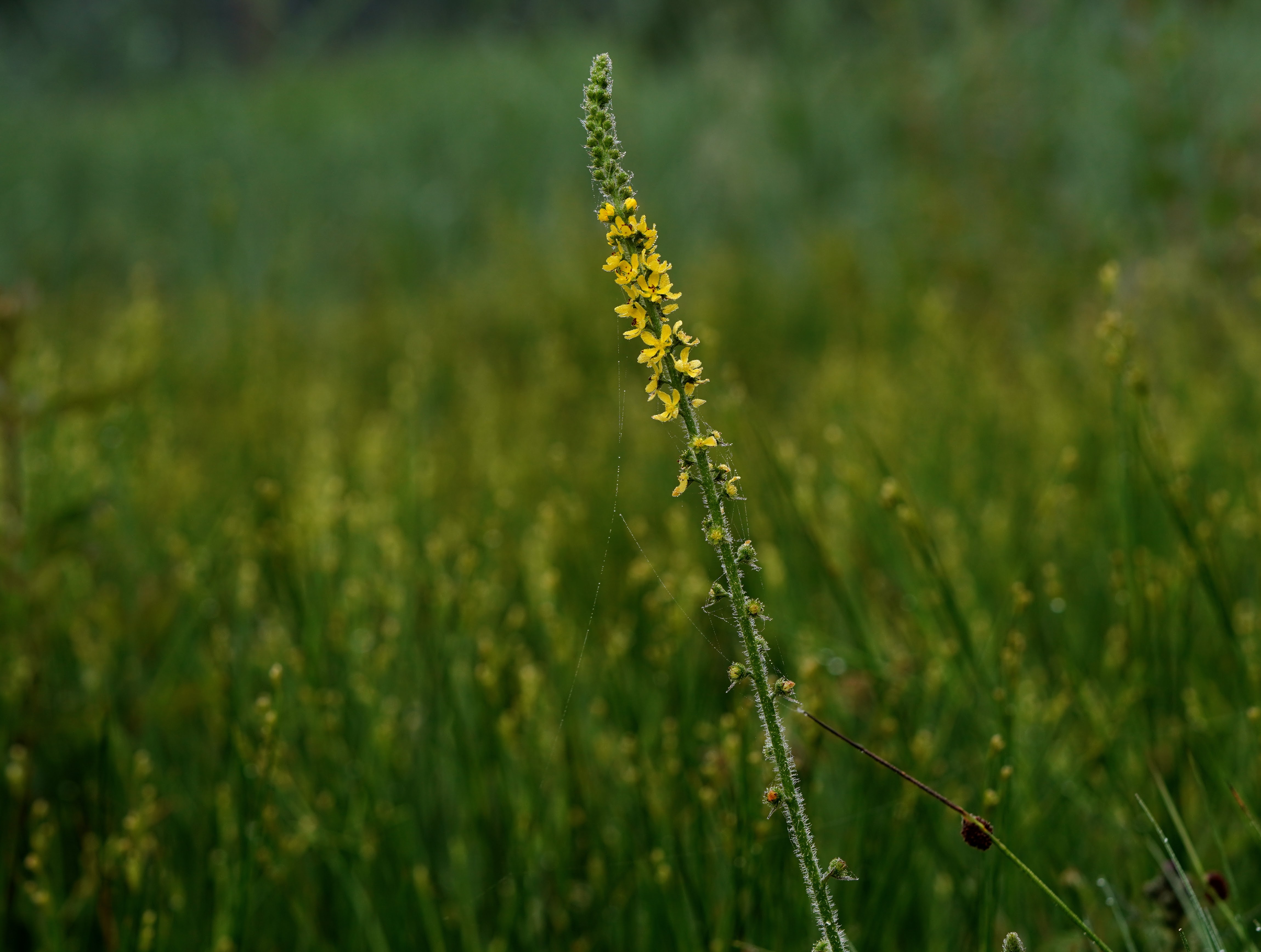
Also in Two-pine Fen, the tall yellow spikes of Agrimony are prominent at the moment.

Agrimony Pucciniastrum agrimoniae [16th Red]

On the Green course, the Maiden Pink has plenty of flowers now.

Maiden Pink Dianthus deltoides [10th Red]

Other new plants from today include:

Common Centaury Centaurium erythraea [5th Red]

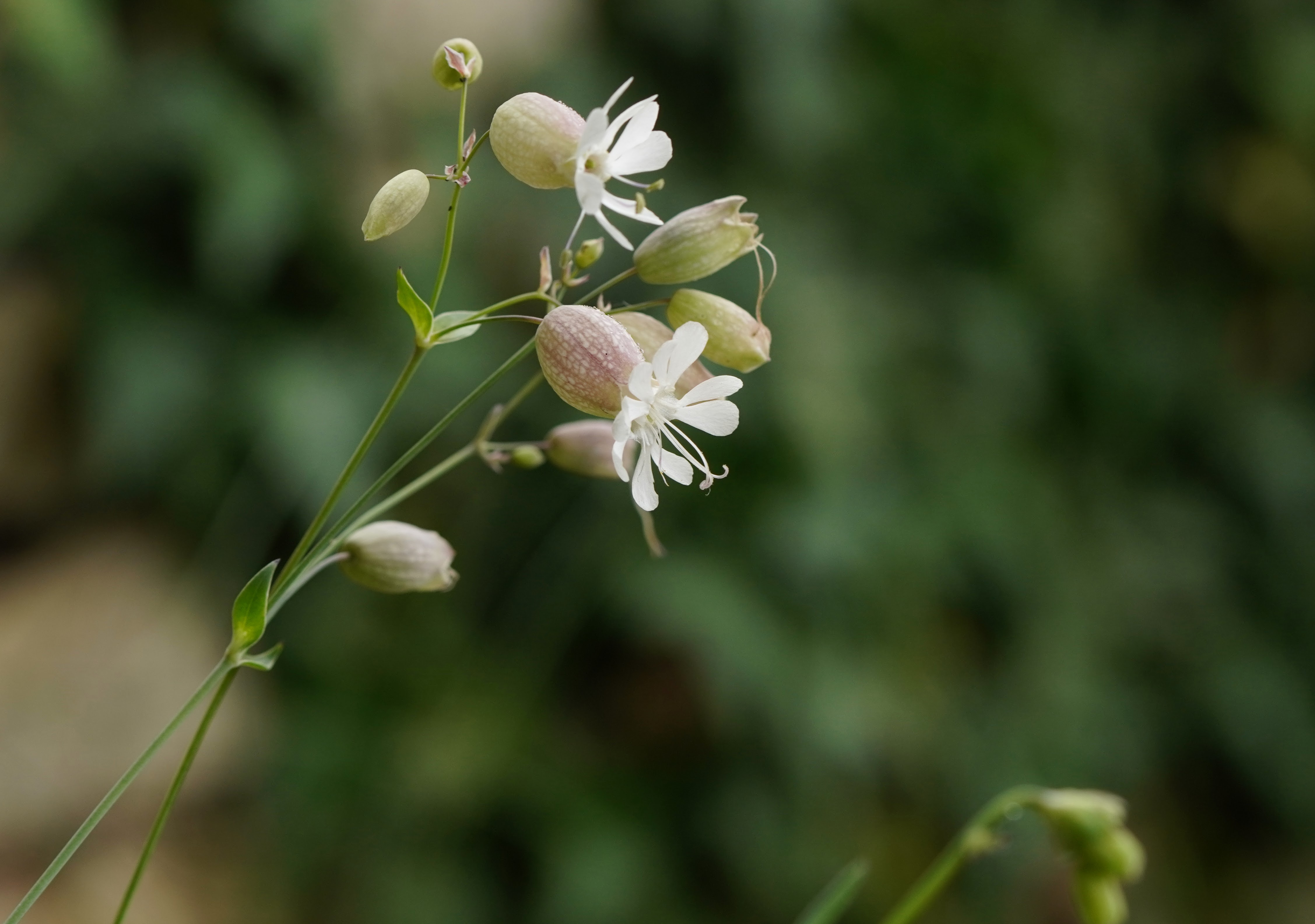
Bladder Campion Silene vulgaris [7th Green]

Restharrow Ononis repens [14th Red]

Wild Thyme Thymus polytrichus [15th Red]

Common Toadflax Linaria vulgaris [4th Red]

Harebell Campanula rotundifolia [4th Red]

There were a lot of young birds on the 13th Red this morning, in particular Blue Tits and Great Tits - attracting the attentions of this male Sparrowhawk.

Sparrowhawk [13th Red]

At the top of one of the trees by the 13th tee there was a Spotted Flycatcher.  I have seen these on the 14th Green in previous years, so it is good to see one on the course this year.  Twenty years ago they were generally fairly common in Britain, but I only see one occasionally nowadays.  I managed to get a very distant shot - hopefully I will get some better views as the summer progresses.

Spotted Flycatcher [13th Red]

More obliging, behind the 4th tee on the Red a Willow Warbler was finding rich pickings among the ferns.

Willow Warbler [Tubney Range]

There were also good numbers of butterflies on the edge of the range, including two new ones for the year.

Small Tortoiseshell Aglais urticae [Tubney range]

Marbled White Melanargia galathea [Tubney range]


Tuesday, June 29, 2021

29 June 2021

 I played the front nine of the Blue this evening - pretty much on my own with everyone watching the football.  One of the more spectacular plant species starting to flower around now is Himalayan Balsam.  This is actually a problematic invasive species that originates in the Himalayas and is very efficient at attracting pollinators and distributing seeds, thriving at the expense of native plants.  It is particularly frequent along the stream that marks the boundary of the Blue course.

Himalayan Balsam Impatiens glandulifera [3rd Blue]

Another large plant, this time native, that is characteristic of the marshy areas of the courses is Meadowsweet.  This was part of a patch growing on the 3rd.

Meadowsweet Filipendula ulmaria [3rd Blue]

Scrambling alongside this is Large Bindweed, which is common in the thick rough.

Large Bindweed Calystegia sylvatica [3rd Blue]

Growing next to the pond on the 4th and common around the course is Selfheal.

Selfheal Prunella vulgaris [4th Blue]

I often see a Grey Heron moving between the ponds on the Blue in the evening, hunting for fish and frogs.

Grey Heron [4th Blue]


Sunday, June 27, 2021

27 June 2021

 Had a brief visit to the Doghouse range this afternoon and found a few more plants and butterflies for the year.  A Small Skipper was resting on some Yarrow.  It is very similar to Large Skipper, which I found behind the 14th tee on the Red, but has a plain underwing, whereas this is slightly patterned for the Large Skipper.

Small Skipper Thymelicus sylvestris [Doghouse range]

Small Skipper Thymelicus sylvestris [Doghouse range]

Large Skipper Ochlodes sylvanus [14th Red]

Otherwise there were a few new flowers.  Field Bindweed grows in the thicker rough and seems to look more attractive here than when I'm pulling it up out of my flower beds.

Field Bindweed Convolvulus arvensis [Doghouse range]

White Stonecrop is prevalent around the edge of the range and grows next to the Biting Stonecrop.

White Stonecrop Sedum album [Doghouse range]

Common Ragwort is also abundant in the long grass.

Common Ragwort Senecio jacobaea [Doghouse range]


Wednesday, June 23, 2021

23 June 2021

 A few families of birds and animals on the course this morning.  These four Brown Hares were on the driving range.

Brown Hares [Tubney range]

It looks like an adult and juvenile Whitethroat here that were in the oak tree on the 3rd Blue and are part of one of the families with nest around here.

Whitethroats [3rd Blue]

On the 11th Blue this juvenile Black-Headed Gull was part of a mixed flock of adults and juveniles.

Black-headed Gulls [11th Blue]

This Red Kite was on its own atop a tree by the 13th Blue, but I think that it is one of several pairs nesting around the course.

Red Kite [13th Blue]

A few new flowers as well, including a couple in the driving range car park. Dwarf Mallow and Black Horehound both grow by the entrance, the latter also in a few other places around the course including the 13th Blue and 14th Red.

Dwarf Mallow Malva neglecta [Tubney range]

Black Horehound Ballota nigra [13th Blue]

Other flowers include:

Large-flowered Evening-primrose Oenothera glazioviana [17th Blue]

Hogweed Heracleum sphondylium [16th Red]